

Year-End Heart Check: Tests You Should Do Before 2026 Starts
Why the End of the Year Is the Best Time to Check Your Heart
As the year draws to a close, many of us reflect on goals, resolutions, and health promises we plan to keep “from next year.” But when it comes to your heart, waiting is not always wise.
Heart disease often progresses quietly, without dramatic warning signs. Many serious cardiac events occur in people who felt “mostly fine” just weeks earlier. A year-end heart check offers a valuable opportunity to detect hidden risks, review your current heart health, and step into 2026 with clarity and confidence.
It’s not about fear — it’s about foresight.
The Silent Nature of Heart Problems
One of the most dangerous myths about heart disease is that it always announces itself loudly. In reality, conditions like high blood pressure, rhythm disorders, early heart failure, and blocked arteries can develop silently over years.
Fatigue, mild breathlessness, or occasional dizziness are often dismissed as stress or age-related changes. A year-end cardiac evaluation helps uncover what symptoms alone may not reveal.
The Basic Tests That Form the Foundation
Every heart check begins with simple but powerful assessments.
An electrocardiogram (ECG) is one of the most essential tests. It records the electrical activity of the heart and can reveal rhythm abnormalities, past silent heart attacks, or conduction issues — often before symptoms appear.
Blood pressure measurement is equally important. Persistent high blood pressure remains one of the biggest risk factors for heart disease, yet many people are unaware they have it.
A routine clinical examination combined with these tests provides the first insight into how your heart is functioning day to day.
Blood Tests That Reveal Hidden Cardiac Risk
Blood work plays a critical role in modern heart prevention.
A lipid profile checks cholesterol levels and helps assess your risk for artery blockages. In 2025, doctors focus not just on total cholesterol, but on LDL, HDL, and triglycerides to guide treatment more precisely.
Blood sugar testing is also vital. Diabetes and pre-diabetes significantly increase heart disease risk, often long before symptoms appear.
In some cases, additional markers of inflammation and cardiac stress may be recommended, helping identify people who need closer monitoring.
Echocardiography: Seeing Your Heart in Action
An echocardiogram uses ultrasound to visualize the heart’s structure and pumping ability. It shows how well the heart muscle contracts, how the valves function, and whether there is fluid buildup or chamber enlargement.
For patients with breathlessness, fatigue, long-standing hypertension, or diabetes, an echocardiogram can reveal early signs of heart failure — even before symptoms become severe.
This test has become a cornerstone of preventive cardiology.
Stress Testing: Understanding Your Heart Under Pressure
While resting tests show how your heart behaves at ease, a stress test reveals how it performs during physical exertion.
During this test, the heart is monitored while you walk on a treadmill or receive medication that simulates exercise. It helps detect reduced blood flow, hidden blockages, or exercise-induced rhythm problems.
For people with chest discomfort, unexplained fatigue, or a family history of heart disease, stress testing before the new year can provide invaluable insight.
Advanced Screening for High-Risk Individuals
Some individuals benefit from more advanced evaluations.
A coronary calcium score can detect early plaque buildup in the heart arteries, even before symptoms appear. This test is especially useful for people with multiple risk factors but normal routine tests.
Holter monitoring or event recorders may be advised for those experiencing palpitations or unexplained fainting, helping capture irregular heart rhythms over extended periods.
Who Should Prioritize a Year-End Heart Check?
While everyone benefits from preventive care, a year-end heart check is especially important if you:
Have diabetes, high blood pressure, or high cholesterol
Lead a sedentary or high-stress lifestyle
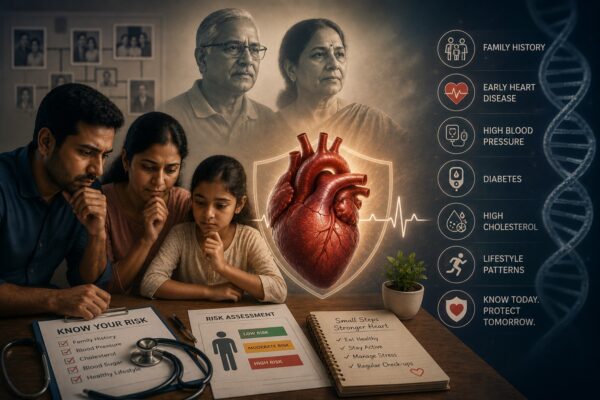
Have a family history of heart disease
Experience breathlessness, fatigue, or chest discomfort
Are over 40 — or younger with risk factors
Heart disease does not wait for age milestones. Neither should prevention.
Starting 2026 With Confidence, Not Uncertainty
A year-end heart evaluation isn’t just about tests — it’s about peace of mind. Knowing where you stand allows you and your doctor to plan smarter, whether that means lifestyle changes, medication, or simply reassurance.
The goal is not to overload you with investigations, but to identify what your heart truly needs.
A Healthy Year Begins With a Healthy Heart
As you prepare for a new year, consider this the most meaningful health resolution you can make. A simple heart check today may prevent a life-altering event tomorrow.
Your heart works tirelessly for you — make sure it’s ready for 2026.