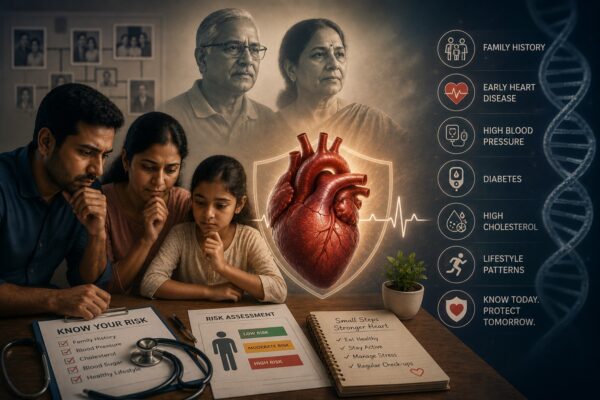



The 9-to-9 Lifestyle: How India’s Hustle Culture Is Damaging Your Heart
India’s rapid economic growth has created a culture that celebrates long working hours, constant productivity, and relentless ambition. For many professionals, especially in urban areas, the typical workday now stretches far beyond traditional hours—often beginning early and ending late into the night.
While this “hustle culture” is often associated with success, it comes with a hidden cost: a significant and growing risk to heart health.
Heart disease is no longer limited to older populations. Increasingly, young working professionals in their 20s and 30s are showing early signs of cardiovascular issues, driven largely by lifestyle patterns shaped by modern work environments.
What Defines the 9-to-9 Lifestyle in India
The 9-to-9 lifestyle is not just about long office hours. It reflects a broader pattern of daily habits that include:
- Prolonged sitting with minimal physical movement
- Irregular eating patterns or reliance on processed food
- High mental stress due to deadlines and performance pressure
- Poor sleep quality due to late-night work or screen exposure
- Limited time for preventive health check-ups
Over time, these habits create a combination of risk factors that directly impact heart health.
How Hustle Culture Impacts the Heart
- Chronic Stress and Hormonal Imbalance
Continuous stress leads to elevated cortisol levels. This increases blood pressure, promotes fat accumulation, and contributes to inflammation—key drivers of heart disease. - Sedentary Behavior
Sitting for long hours reduces circulation and slows metabolism. It is strongly linked to obesity, high cholesterol, and increased risk of heart attacks. - Unhealthy Eating Patterns
Skipping meals or relying on fast food leads to poor nutritional intake, high sodium consumption, and elevated cholesterol levels. - Sleep Deprivation
Lack of quality sleep disrupts metabolic processes, increases blood pressure, and weakens the body’s ability to recover from daily stress. - Neglect of Preventive Care
Busy schedules often result in delayed or ignored health check-ups, allowing risk factors like hypertension and high cholesterol to go undetected.
Why Young Indians Are at Greater Risk
India already has a higher genetic predisposition to heart disease compared to many other populations. When combined with modern lifestyle habits, this risk increases significantly.
Key concerns include:
- Rising cases of heart attacks in individuals under 40
- Increasing prevalence of diabetes and high cholesterol among young adults
- Low awareness about preventive heart health in early adulthood
The perception that heart disease is a problem of later life contributes to delayed action and diagnosis.
Warning Signs That Should Not Be Ignored
Even in younger individuals, certain symptoms may indicate underlying heart stress:
- Persistent fatigue without clear cause
- Shortness of breath during mild activity
- Chest discomfort or tightness
- Frequent headaches linked to high blood pressure
- Irregular heartbeat or palpitations
These signs are often dismissed as stress-related, but they may require medical evaluation.
Conclusion
The 9-to-9 lifestyle may support professional growth, but it should not come at the cost of long-term health. The rise in heart disease among young Indians is a clear indicator that current lifestyle patterns need urgent attention.
Preventive care, early screening, and healthier daily habits can help reverse this trend.
The Heartbeat Foundation remains committed to making heart health awareness and affordable care accessible to working professionals across India.