

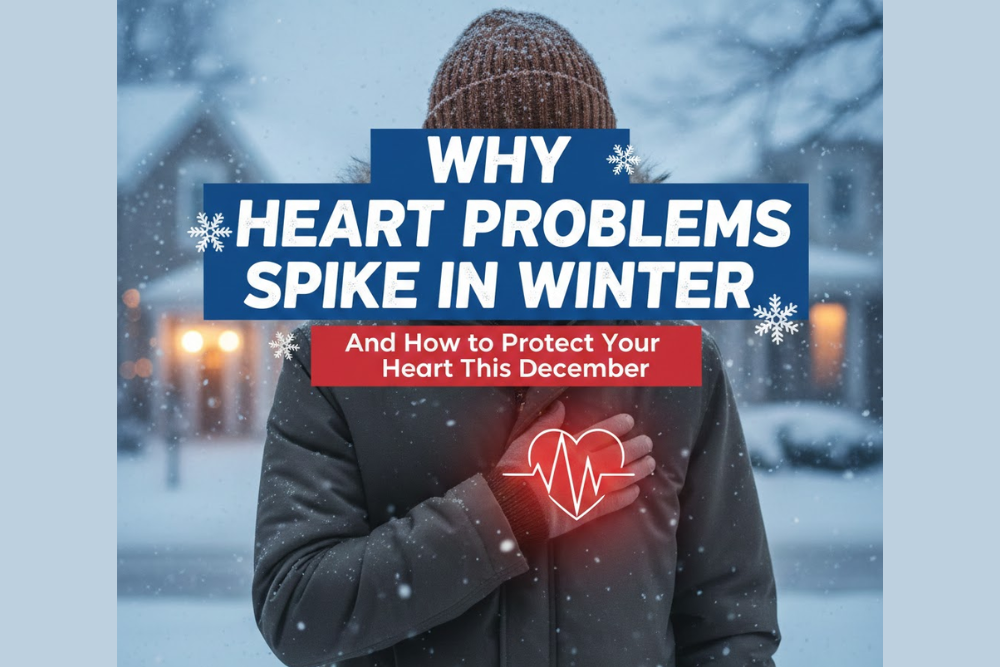
Why Heart Problems Spike in Winter — And How to Protect Your Heart This December
Winter and the Heart: A Silent Connection
As winter arrives, most of us prepare for coughs, colds, and seasonal infections. Very few people realise that winter is also the most dangerous season for the heart. Across hospitals worldwide, cardiologists see a noticeable rise in heart attacks, heart failure admissions, and sudden cardiac deaths during colder months, especially in December.
This seasonal spike is not a coincidence. Cold weather places unique stress on the heart, and when combined with lifestyle changes, festive habits, and reduced physical activity, it creates a perfect storm for cardiac events.
Understanding why this happens can help you protect yourself and your loved ones.
How Cold Weather Puts Extra Pressure on Your Heart
When temperatures drop, the body works harder to maintain its core warmth. Blood vessels naturally constrict in response to cold, which leads to higher blood pressure and reduced blood flow. As a result, the heart has to pump harder to circulate blood through narrowed vessels.
For someone with underlying heart disease, blocked arteries, diabetes, or high blood pressure, this extra workload can become overwhelming. The heart’s oxygen demand increases, while its supply may already be limited — increasing the risk of chest pain, rhythm disturbances, or even a heart attack.
Cold weather can also trigger spasms in the coronary arteries, temporarily reducing blood flow to the heart muscle. This explains why some people experience chest discomfort even without significant blockages.
Why December Is Especially Risky
December brings more than just cold temperatures. It is often a month filled with emotional stress, social gatherings, travel, irregular routines, and indulgent eating. Stress hormones such as adrenaline and cortisol rise during this time, which can elevate blood pressure, increase heart rate, and make blood more prone to clotting.
Festive foods are typically rich in salt, sugar, and unhealthy fats. Excess salt leads to fluid retention, which can worsen heart failure symptoms. High alcohol intake can trigger irregular heart rhythms such as atrial fibrillation, sometimes referred to as “holiday heart syndrome.” These changes may not be immediately noticeable but can quietly strain the heart.
At the same time, people tend to move less during winter. Shorter days, colder mornings, and lack of motivation lead to a sedentary lifestyle, contributing to weight gain and poor metabolic control — both of which increase cardiac risk.
The Overlooked Risk of Dehydration in Winter
Many people drink less water in winter because they don’t feel thirsty. However, dehydration thickens the blood, making it more likely to clot. This increases the risk of heart attacks and strokes, particularly in older adults and those with existing heart conditions.
Heart failure patients who are on diuretics are especially vulnerable. Reduced fluid intake combined with medications can disturb the body’s electrolyte balance, increasing the risk of dizziness, arrhythmias, and weakness.
Why Mornings Are the Most Dangerous Time
Studies show that heart attacks are more likely to occur in the early morning hours, and this risk is amplified during winter. Blood pressure naturally rises when we wake up, and exposure to cold temperatures shortly after waking can further stress the cardiovascular system.
Sudden activity in the cold — such as early morning walks without proper warm-up — can act as a trigger for cardiac events. This is why winter mornings require extra caution, especially for older adults and those with known heart disease.
Winter Infections and Their Impact on Heart Health
Respiratory infections such as flu and pneumonia are more common in winter, and they don’t just affect the lungs. Infections increase inflammation throughout the body, raise heart rate, and reduce oxygen levels. This additional stress can destabilize the heart, leading to heart attacks, worsening heart failure, or irregular rhythms.
This is also why flu vaccination is recommended for people with heart disease — it’s not just about avoiding infection, but about protecting the heart from secondary complications.
Who Needs to Be Extra Careful in Winter
While anyone can be affected, winter poses greater risks for people over 40, those with high blood pressure, diabetes, high cholesterol, or a previous history of heart disease. Smokers, individuals under chronic stress, and people with sedentary lifestyles are also at higher risk.
However, it’s important to note that heart problems are increasingly being seen in younger adults, often triggered by stress, poor sleep, smoking, or undiagnosed conditions. Winter can expose these hidden vulnerabilities.
Warning Signs That Should Never Be Ignored
Many people dismiss early heart symptoms in winter, mistaking them for fatigue, indigestion, or seasonal weakness. Shortness of breath, chest pressure, unusual tiredness, jaw or arm pain, dizziness, or sudden sweating are all potential warning signs of heart trouble.
Ignoring these symptoms or delaying medical care can have serious consequences. When it comes to the heart, time truly matters.
How to Protect Your Heart This December
Protecting your heart during winter doesn’t require drastic changes — it requires consistency and awareness. Staying warm is essential, but so is staying active. Even light indoor exercise helps maintain circulation and keeps blood pressure under control.
Dietary discipline becomes especially important during festive months. Enjoy celebrations, but in moderation. Keeping salt intake in check, limiting alcohol, and ensuring balanced meals can significantly reduce cardiac strain.
Hydration is equally important, even when you don’t feel thirsty. Warm fluids can help maintain adequate intake. Continuing prescribed heart medications without interruption is critical, particularly during holidays when routines often get disrupted.
Monitoring your health — checking blood pressure, weight, and any new symptoms — can help detect problems early. A simple heart check-up during winter can prevent serious complications later.
A Special Word for Seniors and Young Adults
Older adults should avoid extreme cold exposure and sudden exertion, especially early in the morning. Warm clothing, regular meals, and gentle activity go a long way in protecting heart health.
Young adults, on the other hand, should not assume they are immune. Stress, smoking, vaping, lack of sleep, and ignoring symptoms can all increase risk. Winter is a reminder that heart health is not just an old-age concern.
Conclusion: Winter Care Is Heart Care
Winter is a season of celebration, reflection, and togetherness — but it also demands extra care for your heart. The rise in heart problems during winter is real, well-documented, and largely preventable.
By understanding how cold weather affects the heart and making small but mindful adjustments, you can significantly reduce your risk. Listen to your body, respect warning signs, and prioritize preventive care.
This December, protect your heart — because a healthy heart makes every season brighter.