

Is Heart Failure Reversible? Latest Treatments Giving Hope to Patients
Introduction
“Heart failure” — the term itself sounds final, but it doesn’t always mean your heart has stopped working.
In many cases, heart failure can be managed — and even improved — with the right treatment plan.
Thanks to advances in modern cardiology, patients today have more hope than ever before.
1. What Does “Heart Failure” Really Mean?
Heart failure means the heart is not pumping blood as efficiently as it should, leading to fatigue, swelling, and breathlessness.
But here’s the key — it’s often a progressive condition that can be slowed, stabilized, and in some cases, partially reversed.
Common causes include:
- Coronary artery disease
- High blood pressure
- Diabetes
- Heart attack or valve disease
2. Can Heart Failure Be Reversed?
Complete reversal is rare — but functional recovery is possible.
When the underlying cause (like blocked arteries or high BP) is treated early, heart function can improve significantly.
Doctors call this “heart failure with improved ejection fraction (HFimpEF)”, a trending medical concept in 2025.
3. Modern Treatments Bringing New Hope
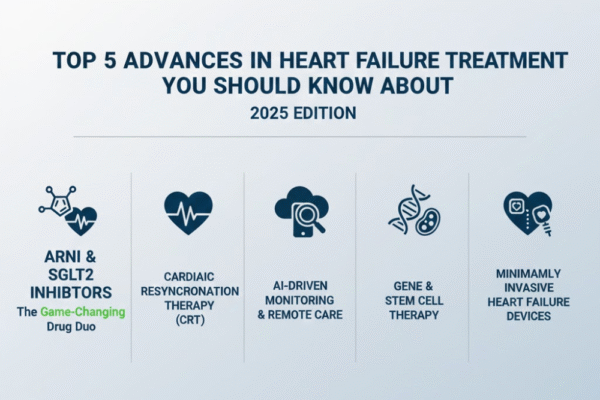
1. Advanced Medications
Latest drug combinations such as ARNI (Sacubitril/Valsartan), SGLT2 inhibitors, and beta-blockers have shown remarkable results in improving heart performance.
2. Cardiac Devices
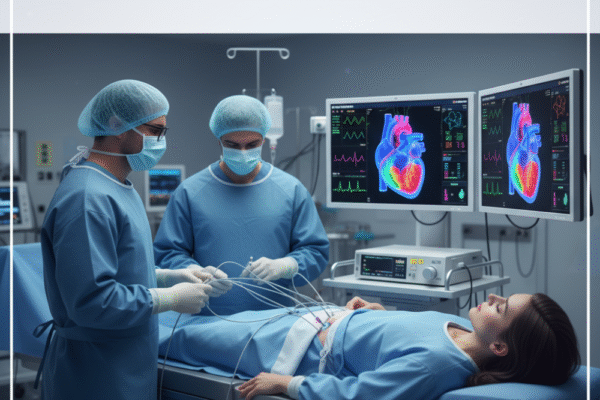
For patients with electrical rhythm issues, Cardiac Resynchronization Therapy (CRT) or Implantable Cardioverter Defibrillators (ICDs) help the heart beat more efficiently.
3. Regenerative & Stem Cell Therapy
Emerging studies show that stem cell therapy may help regenerate damaged heart tissue — one of the most promising areas of research in 2025.
4. Lifestyle & Rehabilitation
A low-salt diet, regular cardiac rehab, quitting smoking, and stress control can dramatically improve heart health.
5. Treating Underlying Conditions
Managing diabetes, sleep apnea, and hypertension can stop further damage and promote recovery.
4. When to See a Heart Specialist
If you experience shortness of breath, swelling, or fatigue, don’t ignore it.
Early diagnosis and intervention are the biggest predictors of recovery.
Conclusion
Heart failure isn’t the end — it’s a call to action.
With early detection, smart treatment, and modern technology, many patients regain heart strength and live full, active lives.
Talk to your cardiologist about the latest therapies — because reversing heart failure starts with hope and timely care.