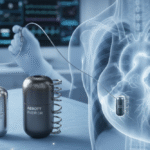


New-Age Pacemakers: Smaller, Smarter & Wire-Free Devices You Should Know About
Pacemakers have come a long way since their bulky beginnings. Today’s cardiac technology has transformed these lifesaving devices into tiny, wireless, intelligent systems that make living with a heart rhythm disorder easier than ever.
If you or your loved one has been advised to use a pacemaker, understanding these innovations will help you feel confident about your heart’s future.
What Is a Pacemaker & Why Is It Needed?
A pacemaker is a small electronic device that helps your heart beat at a normal rate.
Doctors recommend it when your heart’s natural rhythm slows down — a condition called bradycardia — or when there are irregular beats that cause dizziness, fatigue, or fainting.Traditional pacemakers required leads (wires) to connect the device to the heart, but new-age versions are changing the game.
How Modern Pacemakers Are Changing Lives
New-generation pacemakers are designed with patient comfort, precision, and longevity in mind.
Here’s what makes them revolutionary:
- Smaller Size: Some leadless pacemakers are as small as a vitamin capsule, implanted directly into the heart.
- Wireless Technology: No visible wires or surgical pocket on the chest — reducing infection risk.
- Smart Sensors: They automatically adjust your heart rate depending on your activity — walking, sleeping, or exercising.
- Longer Battery Life: Latest models can last 10–15 years without replacement.
MRI Compatibility: Safe for MRI scans — earlier pacemakers were not.
Types of Next-Generation Pacemakers
- Leadless Pacemakers
These are the biggest innovations in recent years. Implanted via a catheter in the leg, they sit directly inside the heart and do not require wires or a chest incision.
👉 Example: Medtronic Micra™ Leadless Pacemaker. - Dual-Chamber Smart Pacemakers
These devices can pace both the upper and lower heart chambers, improving coordination for patients with complex arrhythmias.
Bluetooth-Enabled Pacemakers
You can now monitor your heart remotely — these pacemakers send data directly to your doctor via a mobile app.
Benefits for Patients
Modern pacemakers are not just medically advanced — they make daily life simpler and safer:
✅ Shorter hospital stays (often discharged the next day).
✅ Smaller incisions and faster recovery.
✅ Lower infection risks due to no leads or chest pocket.
✅ More accurate heart rate management.
✅ Improved confidence and physical freedom.
Are Leadless Pacemakers Right for Everyone?
Not all patients are ideal candidates.
They are best suited for those who need single-chamber pacing, have venous access issues, or are at higher risk of infection from traditional systems.
Your electrophysiologist will recommend the right type after evaluating your heart condition, age, and overall health.
What the Future Holds
The future of cardiac pacing is moving toward:
🔹 Self-powered pacemakers that use your heartbeat’s motion as energy.
🔹 AI-assisted rhythm monitoring for real-time decision-making.
🔹 Fully implantable multi-chamber wireless systems — eliminating all external components.
Technology is turning pacemakers into intelligent companions for the heart, blending medicine with innovation.
Conclusion
Modern pacemakers have evolved from bulky boxes to tiny lifesavers that quietly ensure your heart beats just right.
With wireless tech, smart sensing, and remote monitoring, these new-age devices offer patients freedom, safety, and peace of mind like never before.
If you’ve been advised to use a pacemaker, speak to your cardiologist or electrophysiologist about the latest wireless and leadless options — because your heart deserves the best of innovation.