

Understanding Cardiac Electrophysiology: The Science Behind Your Heart’s Rhythm
Your heart beats over 100,000 times a day — and behind each beat is an intricate electrical system working in perfect rhythm. This electrical network ensures blood flows efficiently, keeping every cell in your body alive and energized. But what happens when that rhythm falters?
That’s where Cardiac Electrophysiology comes in — a field that studies, diagnoses, and treats the heart’s electrical problems.
What Is Cardiac Electrophysiology?
Cardiac electrophysiology (EP) is a branch of cardiology that focuses on the electrical activity of the heart. It helps doctors understand how electrical signals are generated, how they travel, and why sometimes the heart beats too fast, too slow, or irregularly.
Think of your heart as a house with perfectly timed lights — if the wiring goes wrong, lights flicker or fail. Similarly, when the heart’s electrical system misfires, arrhythmias (abnormal rhythms) occur.
An electrophysiologist — a cardiologist with specialized training in heart rhythm disorders — performs tests and treatments that restore the heartbeat to its normal rhythm.
How the Heart’s Electrical System Works
The heart isn’t just a pump — it’s an electrical machine.
Here’s how a normal heartbeat happens:
- The SA Node (Sinoatrial Node) – the heart’s natural pacemaker, located in the right atrium, initiates an electrical impulse.
- The AV Node (Atrioventricular Node) – receives the signal and delays it slightly, allowing the atria to contract and fill the ventricles with blood.
- The Bundle of His & Purkinje Fibers – conduct the signal rapidly to the ventricles, causing them to contract and pump blood to the lungs and body.
This sequence — called the cardiac conduction system — ensures your heart beats in an organized, coordinated way.
When the Electrical System Malfunctions
Sometimes, the electrical signals misfire or follow the wrong path. This leads to arrhythmias, such as:
- Tachycardia: The heart beats too fast.
- Bradycardia: The heart beats too slow.
- Atrial Fibrillation (AFib): Chaotic signals cause irregular, quivering beats in the upper chambers.
- Ventricular Tachycardia (VT): Dangerous rapid beats in the ventricles that can lead to cardiac arrest.
- Heart Block: Signals are delayed or stopped between the atria and ventricles.
While some arrhythmias cause mild symptoms, others can be life-threatening if not diagnosed early.
Symptoms of Electrical Heart Disorders
Arrhythmias can often be silent, but when symptoms appear, they may include:
- Fluttering or racing heartbeat (palpitations)
- Dizziness or fainting
- Shortness of breath
- Chest discomfort or pressure
- Sudden fatigue
- In severe cases — collapse or cardiac arrest
If you ever experience these symptoms, especially with underlying conditions like high blood pressure, diabetes, or thyroid issues, consult a cardiologist immediately.
What Is an Electrophysiology (EP) Study?
An EP study is a specialized test used to evaluate your heart’s electrical system. It’s done in a controlled hospital setting, often as a day procedure.
🧠 What Happens During an EP Study:
- Thin catheters (wires) are inserted into veins (usually the groin or neck) and guided to the heart.
- These catheters have electrodes that record electrical signals.
- The doctor may use mild electrical impulses to stimulate the heart and reproduce arrhythmias safely.
- The recorded data helps map the exact location of the electrical problem.
This test allows precise diagnosis and guides treatment — whether medication, device therapy, or ablation.
Catheter Ablation – Fixing the Faulty Circuits
One of the most effective treatments born from electrophysiology is catheter ablation.
During this minimally invasive procedure:
- A catheter delivers energy (radiofrequency or cryo) to destroy small areas of heart tissue causing abnormal signals.
- It’s often used to cure conditions like supraventricular tachycardia (SVT), AFib, or VT.
- Recovery is quick — most patients go home within 24 hours and resume normal life soon after.
In many cases, ablation offers a permanent cure, freeing patients from long-term medication.
⚙️ Devices That Help Regulate Rhythm
Cardiac electrophysiology has also paved the way for life-saving devices, including:
1️⃣ Pacemakers
Used for bradycardia (slow heartbeat).
They generate tiny electrical impulses to keep the heart beating regularly.
2️⃣ Implantable Cardioverter Defibrillator (ICD)
Used in patients at risk of sudden cardiac arrest.
The ICD detects dangerous rhythms and delivers a shock to restore normal rhythm instantly.
3️ Cardiac Resynchronization Therapy (CRT)
Used in heart failure patients when the ventricles beat out of sync.
CRT helps coordinate the chambers to pump blood more effectively.
The Role of an Electrophysiologist
An electrophysiologist isn’t just a “heart doctor” — they are electrical engineers of the heart.
They work closely with other cardiologists to:
- Diagnose rhythm problems using ECG, Holter monitoring, and EP studies.
- Perform ablations and device implantations.
- Manage complex arrhythmia cases and sudden cardiac arrest risk.
- Optimize medications like anti-arrhythmic drugs and anticoagulants.
If your doctor refers you to an electrophysiologist, it means your heart rhythm needs expert evaluation and precision care.
Common Myths About Heart Rhythm Disorders
Myth 1: “Irregular heartbeat is always dangerous.”
➡️ Fact: Some irregularities are harmless, but persistent ones need evaluation.
Myth 2: “Only elderly people develop arrhythmias.”
➡️ Fact: Even young people and athletes can experience rhythm issues due to genetics or stress.
Myth 3: “Pacemakers mean you can’t live a normal life.”
➡️ Fact: Most pacemaker patients return to full activity and even sports after recovery.
Emerging Trends in Cardiac Electrophysiology
The field is advancing rapidly with AI-powered ECGs, 3D mapping, and remote cardiac monitoring.
Wearable devices like smartwatches now detect AFib early, helping save lives before emergencies occur.
Other innovations include:
- Zero-fluoroscopy ablation (no radiation exposure)
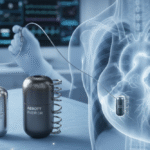
- Leadless pacemakers (smaller, wireless devices)
- AI-driven arrhythmia prediction models
These advances are making diagnosis safer, faster, and more personalized.
Prevention and Lifestyle for a Healthy Heart Rhythm
You can reduce your risk of rhythm problems by keeping your heart healthy overall:
- Maintain a balanced diet low in salt and rich in fiber.
- Exercise 30 minutes daily — walking, yoga, or swimming.
- Avoid excess caffeine, alcohol, and smoking.
- Manage stress with meditation and proper sleep.
- Get regular heart check-ups after age 30, especially if there’s a family history.
When to See a Specialist
Seek immediate medical attention if you notice:
- Persistent palpitations or rapid heartbeats
- Dizziness, fainting spells
- Shortness of breath or chest discomfort
- Family history of sudden cardiac death
An early ECG, Holter test, or EP study can identify silent rhythm issues and prevent serious complications.
The Takeaway
Your heart’s rhythm is its language of life — steady, strong, and essential.
Cardiac electrophysiology helps us decode that rhythm, fix the faults, and restore harmony within the heart.With advancing technology and expert care, conditions that once seemed life-threatening are now curable and controllable.
So, if your heart skips a beat — literally or figuratively — don’t ignore it.
Listen, check, and act early. Because every beat matters. 💓